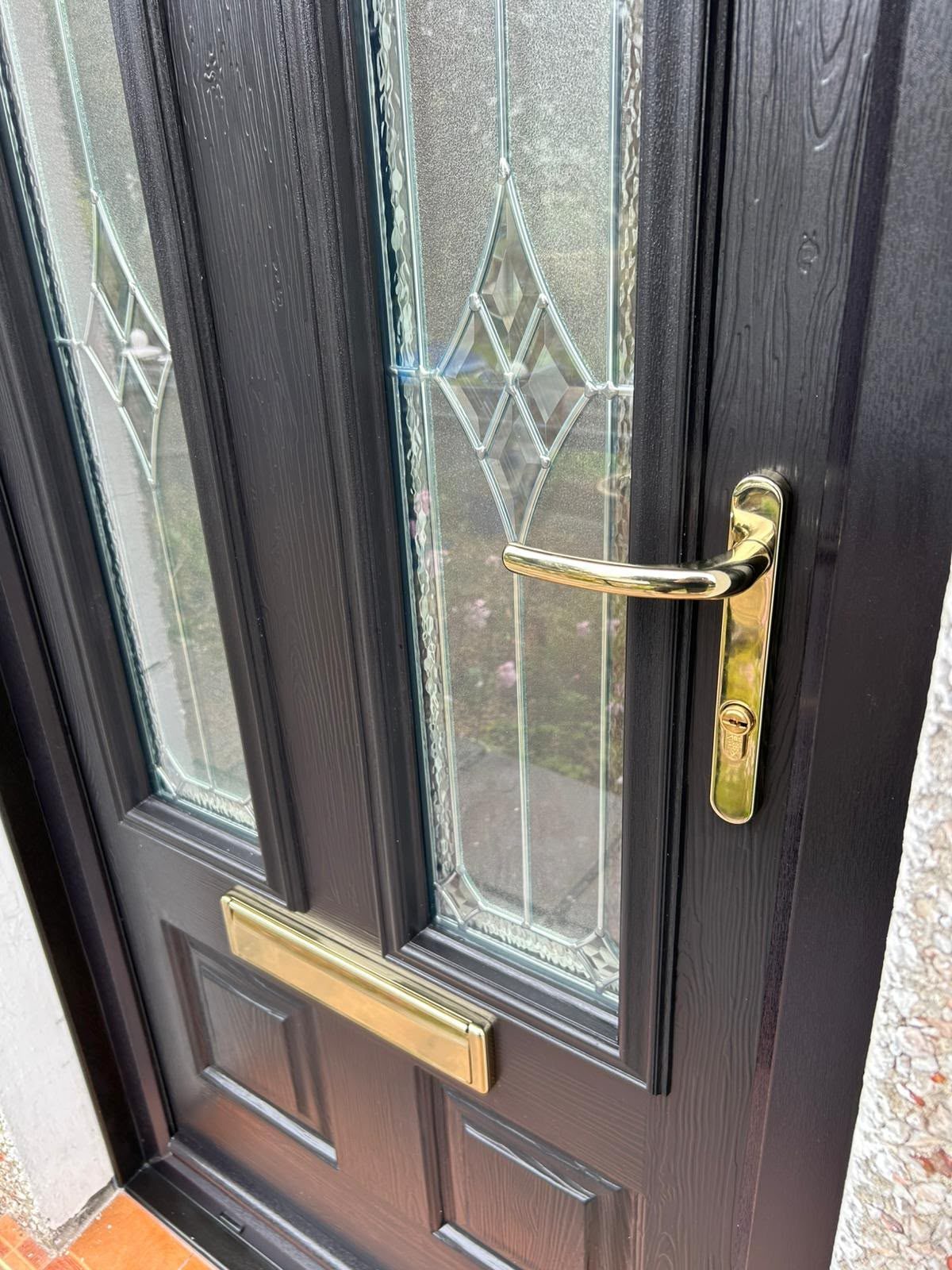
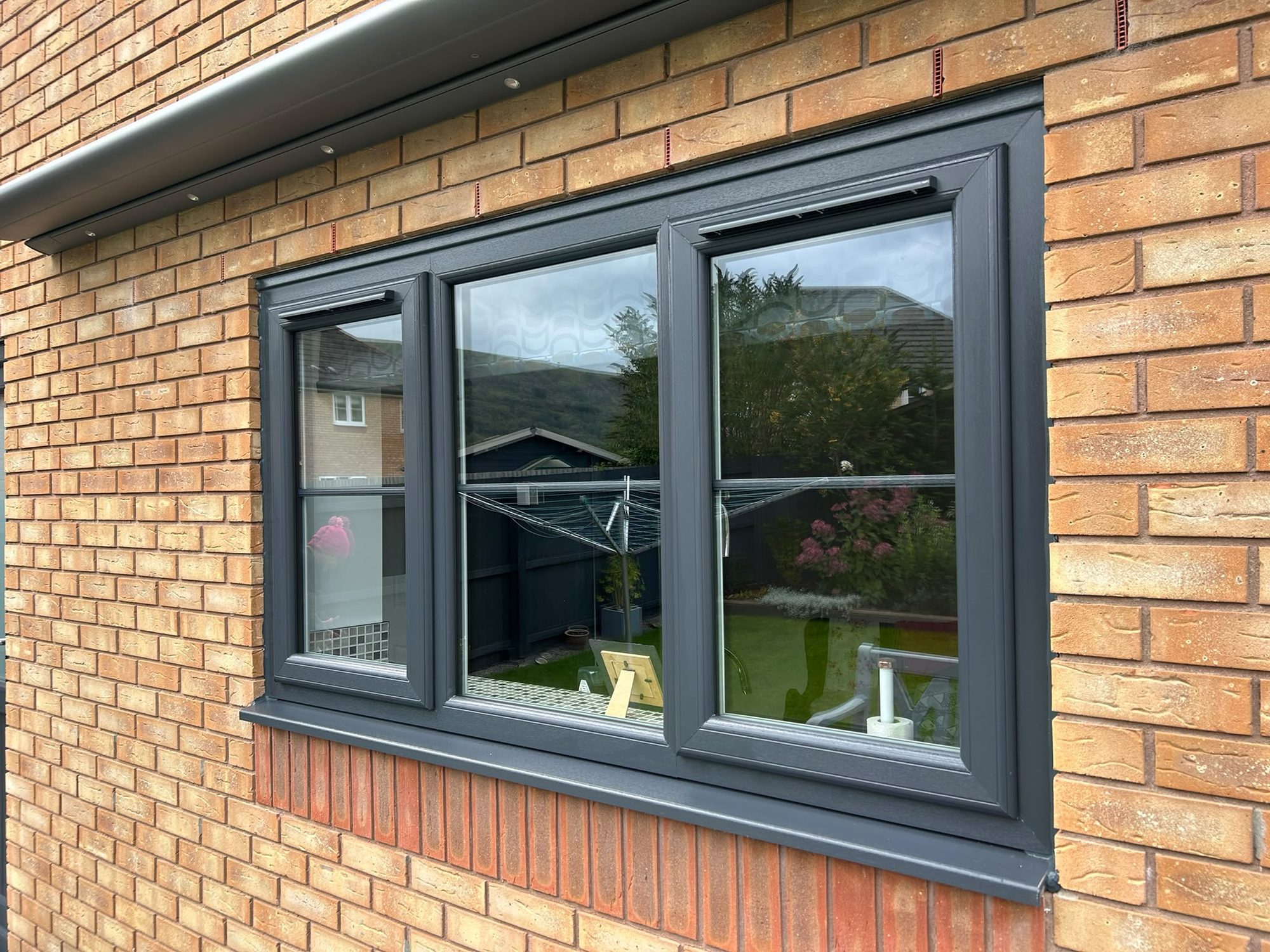
Opening, closing and locking are different observations
When describing a fault, break the sequence into stages. Does the window or door move freely? Does it reach its closed position? Does the handle move, and does the lock engage? Explain what you can observe without forcing it. This gives the team a clearer picture of the problem, although it does not establish the repair needed. Include which opening is affected and whether you know its material or product details. A specific description is more useful than saying only that the entire window is broken.
Hinges and the position of the opening
A hinge is part of how a window or door moves, but movement problems can involve the wider arrangement as well. Tell the team whether the opening catches in a particular place or looks different from before. Do not remove screws or try to support a heavy door yourself while investigating. Safe observations and photographs can help explain the enquiry, while the suitable work needs discussion. Avoid assuming that a visible gap or rubbing edge identifies one exact fault from appearance alone.
Handles, locks and associated hardware
Windows and doors can use different operating components, so do not buy an assumed replacement solely because it looks similar. If you know the product or have safe access to a visible label, share that information with the team. Describe how the current hardware behaves and whether the opening can be secured. The business offers hardware repairs, but part availability and compatibility for an individual mechanism are not confirmed by this page. Ask what can be considered for the specific opening before committing to a proposed part or repair.
When the opening cannot be secured
An insecure opening changes the urgency of the enquiry. Phone directly and clearly state whether the door or window closes and whether it can be locked. Do not infer a guaranteed attendance slot from the opening hours or from another customer experience. If there is an immediate risk beyond a glazing repair, use the appropriate help for that situation rather than relying on a website message. RB Style Glazing can discuss repair availability, but this page is not a monitored emergency contact or a promise of round-the-clock response.
Commercial entrances and frequently used openings
For a business premise, explain how the affected window or door is used and whether the problem disrupts staff or visitor access. The same physical symptom can have different practical consequences depending on the setting. Mention access arrangements and any constraints relevant to proposed work. RB Style Glazing works with domestic and commercial customers, but repair suitability should be discussed for the actual opening. Do not assume that every specialist entrance mechanism is covered without confirming the details of the enquiry.
Repair or replacement: keep the goals separate
A repair enquiry asks how to address a current operating problem. A replacement enquiry may also aim to change the frame material, layout or appearance. Be clear which goal matters to you. If the frame arrangement still suits the property, explain that when asking about hardware. If you want a new entrance style as well, mention the broader plan. The team offers repair and installation services, but the appropriate option should not be decided solely from a short description or a generic claim that replacement is always necessary.